
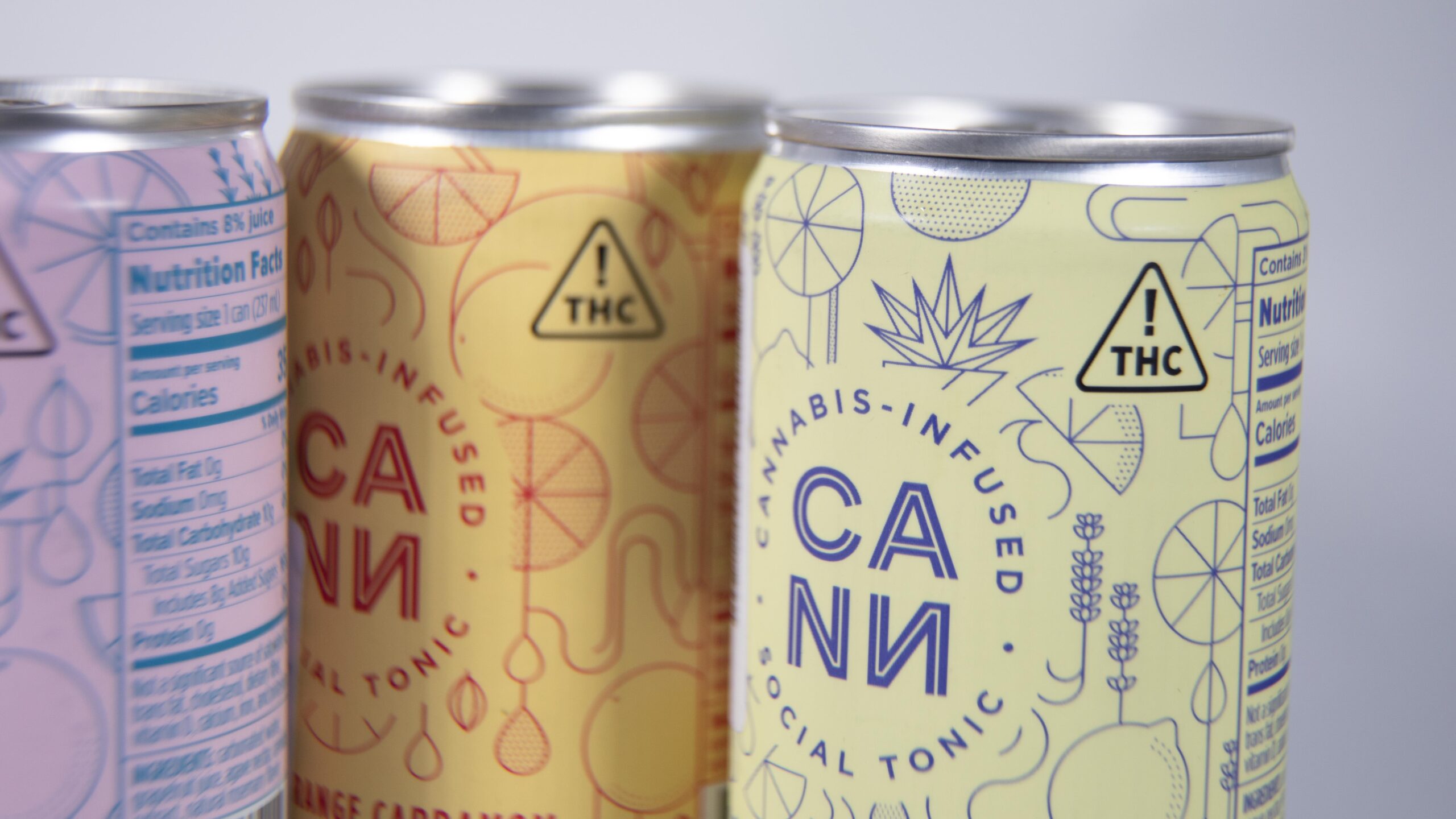
Soberish parties—social events where guests skip alcohol but still enjoy a light buzz—are becoming one of the most noticeable cultural shifts in today’s cannabis-friendly social landscape. As THC-infused beverages gain mainstream traction, these gatherings are reshaping nightlife, casual hangs, and wellness-oriented events. More consumers are choosing to leave behind the next-day headache in favor of a smoother, controlled experience that aligns with health-forward lifestyles.
A major driver behind this shift is the explosive growth of the cannabis beverage market itself. According to data from BDSA and Headset, THC drinks are now one of the fastest-rising categories in the industry, gaining popularity among both long-time cannabis consumers and newcomers who prefer an easier entry point than smoking or vaping. These drinks offer predictable dosing, quick onset times, and social familiarity—letting guests “sip” their cannabis just like they would a cocktail, but without the alcohol.
At soberish gatherings, the vibe often mirrors a traditional party—music, conversations, games, curated menus—but the tone feels cleaner, lighter, and more centered. Guests are more present, more in control, and noticeably less drained the next morning. Event hosts say THC drinks create a relaxed but energized atmosphere that enhances connection without tipping into the unpredictability that alcohol sometimes brings.
THC beverages also allow for precise personalization. Micro-dose options (commonly 2.5–5 mg per can) are ideal for maintaining a mild social lift throughout the night, while 10–20 mg cans cater to more experienced consumers. Brands like Cann, Wunder, and Keef have pushed this movement forward with sessionable, low-dose beverages designed specifically for social settings. Cann’s rapid ascent—celebrity investors, wide distribution, and strong sales momentum—has cemented cannabis drinks as a legitimate alternative for modern partygoers seeking balance.
Another factor supporting the soberish trend is the broader cultural decline in alcohol consumption, especially among younger adults. Multiple studies published by Gallup and the National Institute on Alcohol Abuse and Alcoholism show a steady drop in alcohol use among Millennials and Gen Z, both of whom place greater emphasis on mental clarity, athletic lifestyle, and holistic wellness. THC drinks fit neatly into this newly emerging social mindset: fun, functional, and flexible.
Regulatory shifts have also helped make THC beverages more accessible. Several states now allow infused drinks in licensed lounges and events, and cannabis hospitality spaces in markets like Nevada and Colorado have begun experimenting with fully alcohol-free THC cocktail menus. These venues offer sophisticated “mocktails” infused with THC, blending mixology with cannabis science to create beverages that feel elevated rather than novelty-driven.
For consumers, soberish parties represent a middle path—a way to enjoy the social high without the alcohol crash. For hosts, THC drinks offer a controlled, customizable experience that keeps the energy upbeat and the environment safe. And for the industry, this trend marks one more step toward a normalized, mainstream cannabis culture.